

Most of us would rather stay in our own homes as we get older. The good news is that staying safe there rarely means renovations or a house that feels like a hospital. Usually it is a handful of small, well chosen changes. Here is how to think it through, room by room.
This guide is written for families in bayside Melbourne who are quietly worried about a parent, or thinking ahead for themselves. We are a local family business in Cheltenham, and helping people with exactly this is what we do every day. But there is no sales pitch here. It is the same plain, practical advice we would give a neighbour.
Research consistently finds that around one in three people over 65 has a fall each year, and most of those happen at home. The encouraging part is that the great majority are preventable, usually with simple things: better light at night, a rail in the right spot, a chair or bed at the right height, a clear path to the bathroom. None of it needs to look clinical.
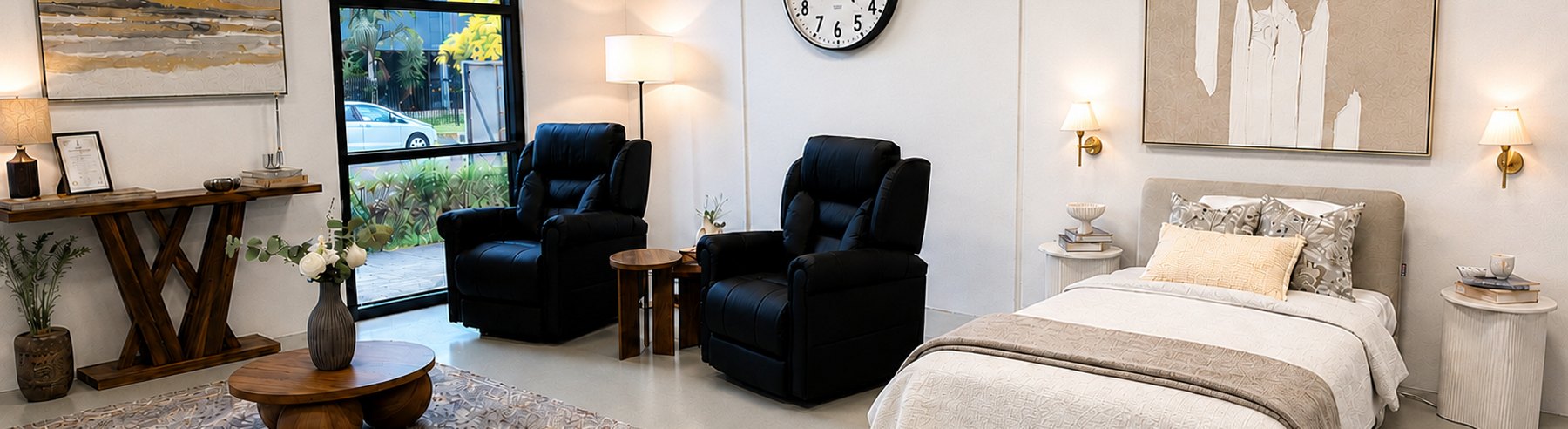
A surprising number of trips start here. The bed is often too low, which makes standing up hard, or too high, which makes getting in a stretch. Aim for a height where feet sit flat on the floor and hips are level with the knees. An adjustable bed that raises the head and knees makes getting up far easier, and a bed rail gives something firm to hold. If more support is needed, a homely home care bed steps up from there. Keep a lamp or a sensor night light within reach, and a clear path to the bathroom.

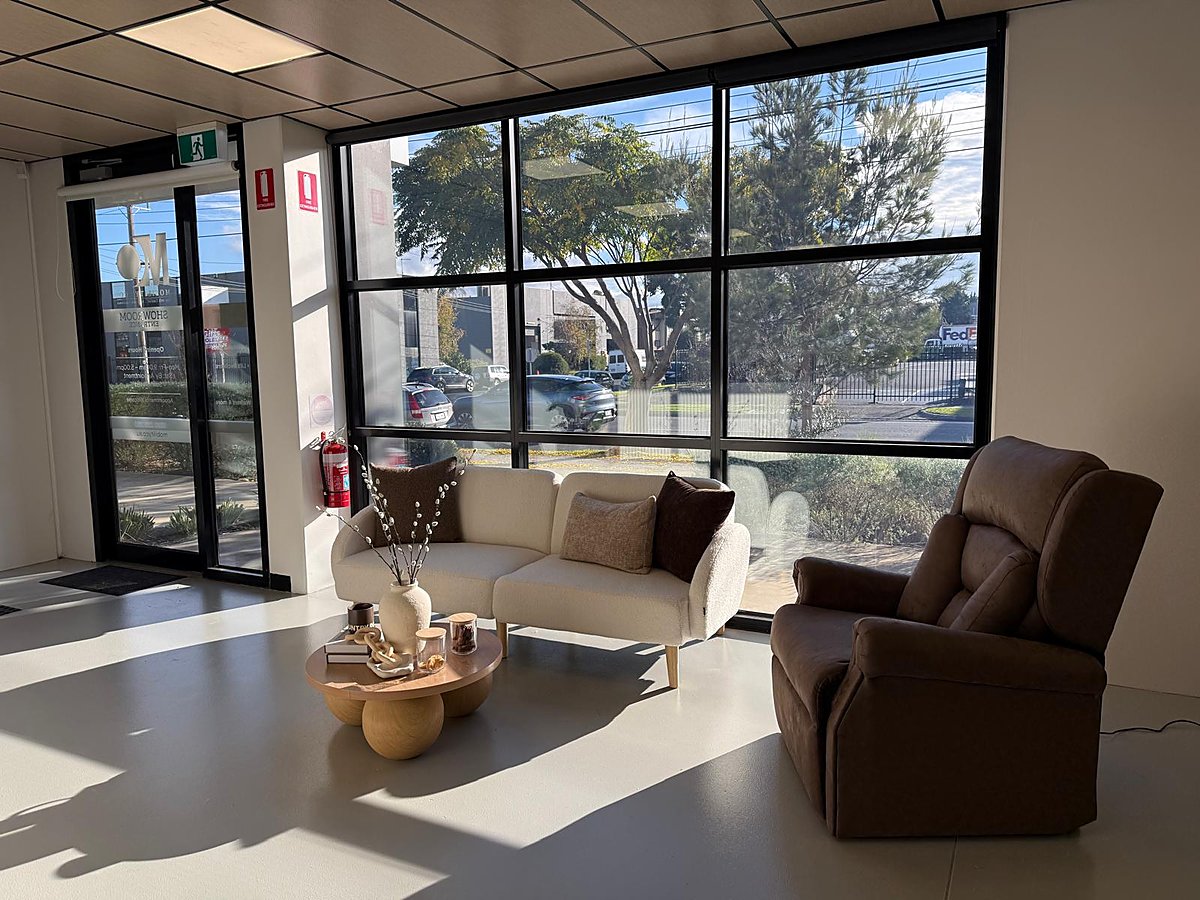
Standing up from a soft, low lounge is one of the hardest movements of the day. Look for a chair at the right height, firm rather than sinking, with arms to push up from. A powered lift recliner tilts gently forward to bring you to your feet, and reclines for comfort in between. While you are in the room, deal with the classic hazards: trailing cords, a low coffee table in the walking line, and rugs, which are one of the most common trip hazards of all. Tape them down or take them up.
Hard floors, water and standing up from low seats make this the room where most serious falls happen, so it is worth getting right. Grab rails beside the toilet and in the shower, properly fixed to the wall rather than the suction type, give something reliable to hold. Add a shower stool or bench so nobody has to stand for long, a non-slip mat, and a hand held shower. If getting up from the toilet is a strain, a raised seat or an over toilet frame helps. Good, bright lighting matters here more than anywhere.
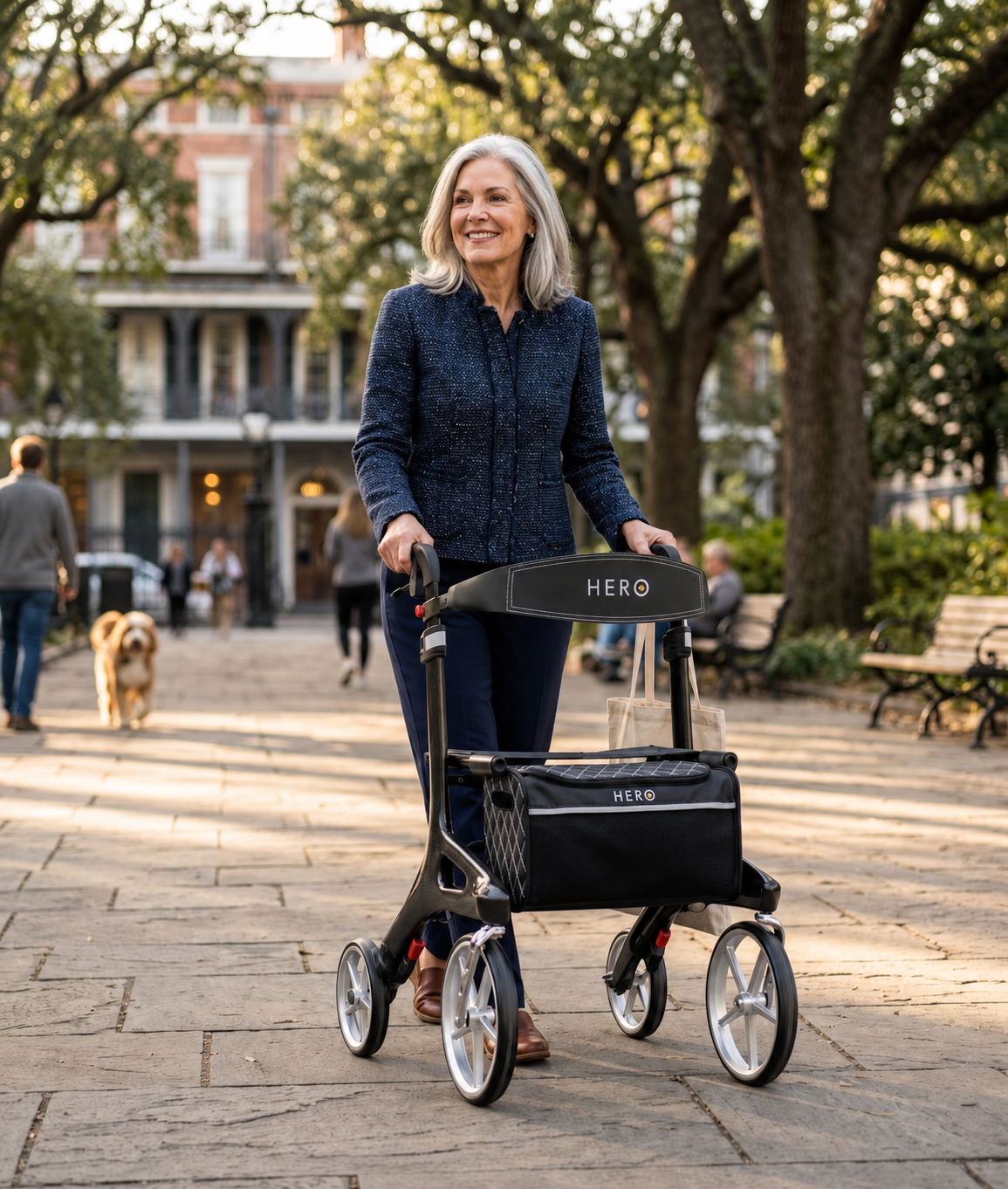
Keep pathways clear, well lit and free of loose mats and clutter. Manage cords and thresholds so there is nothing to catch a foot. If someone is unsteady on their feet, a walker or rollator gives real confidence, chosen for their height and for whether it is mainly for indoors or for getting out and about. A rollator with a seat means there is always somewhere to rest.
A single step at the back door or a lip at the shower can be enough to trip on. A small threshold ramp smooths it out. A rail beside the front steps, sensor lighting at the entrance, and a key safe so family or carers can get in easily all quietly add up.
If there is one pattern worth interrupting, it is the walk to the bathroom in the dark. Sensor night lights along the route, a lamp within reach of the bed, and a clear path make that journey far safer. It is one of the cheapest and most effective changes you can make.
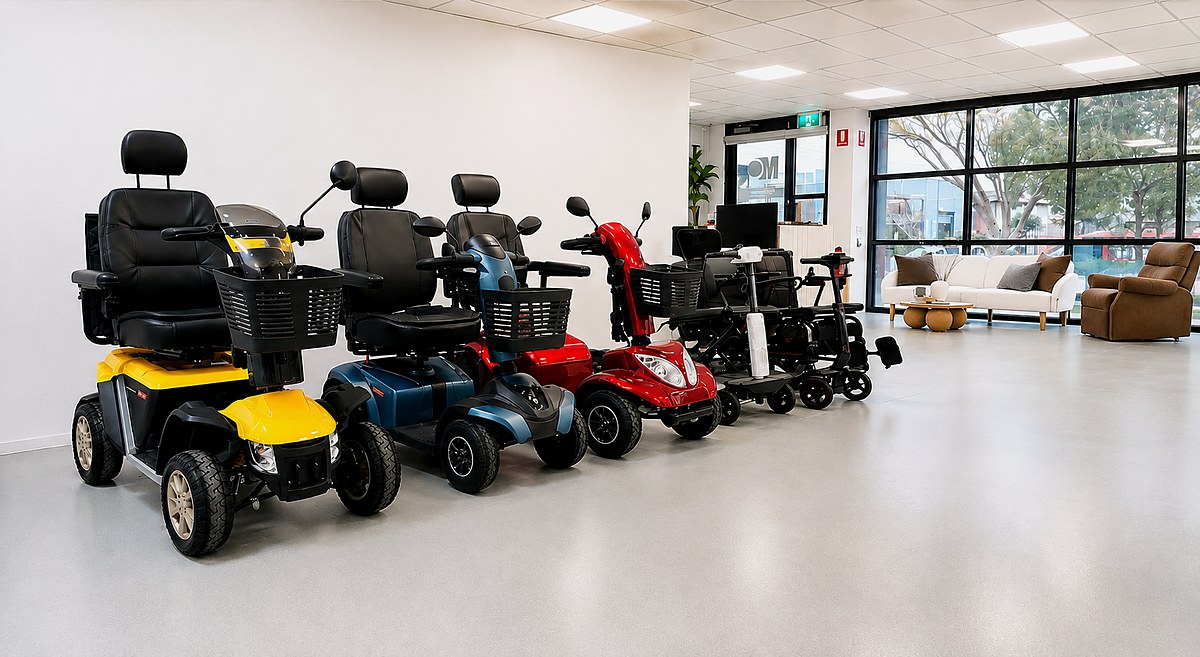
A personal alarm or fall monitoring pendant, a fall mat beside the bed, and a phone kept within reach all mean help is close if it is needed, and there is more in our guide to helping an unsteady parent avoid falls. Staying safe is only half of it. Staying connected matters just as much, so do not forget the trips out: a stable four wheel mobility scooter for longer outings, or a lightweight rollator with a seat for the walk to the shops and a rest along the way.
Print it, or walk through the house with it. If you can tick most of these, you are in good shape.
Good equipment need not come out of your own pocket. Depending on age and circumstances, it may be funded through the NDIS, a Home Care Package, the Support at Home program, or DVA for eligible veterans. The usual path is that an occupational therapist assesses what is needed and provides the clinical justification the funder asks for, and the equipment is then supplied against that.
It sounds more complicated than it is, and you do not have to work it out alone. We deal with this every week, we work alongside your occupational therapist, and we provide clear, compliant quotes for whichever funding path applies. Our full funding guide walks through each option.
An occupational therapist, or OT, is the person who looks at the whole picture: the person, how they move, and the home itself. They can visit, spot the risks a family stops noticing, and recommend the aids and changes that will actually help. For most funded equipment their assessment is also what unlocks the funding. If a fall has already happened, or getting around is clearly getting harder, an OT is the right first call. Your GP can refer you, and we are always happy to work with whoever you choose.
We are a family business on Keys Road in Cheltenham, and helping bayside families with all of the above is what we do. Come and see how things look in a real room, or ask us out for a free in-home demonstration. No pressure, no jargon, and we are glad to work with your occupational therapist.
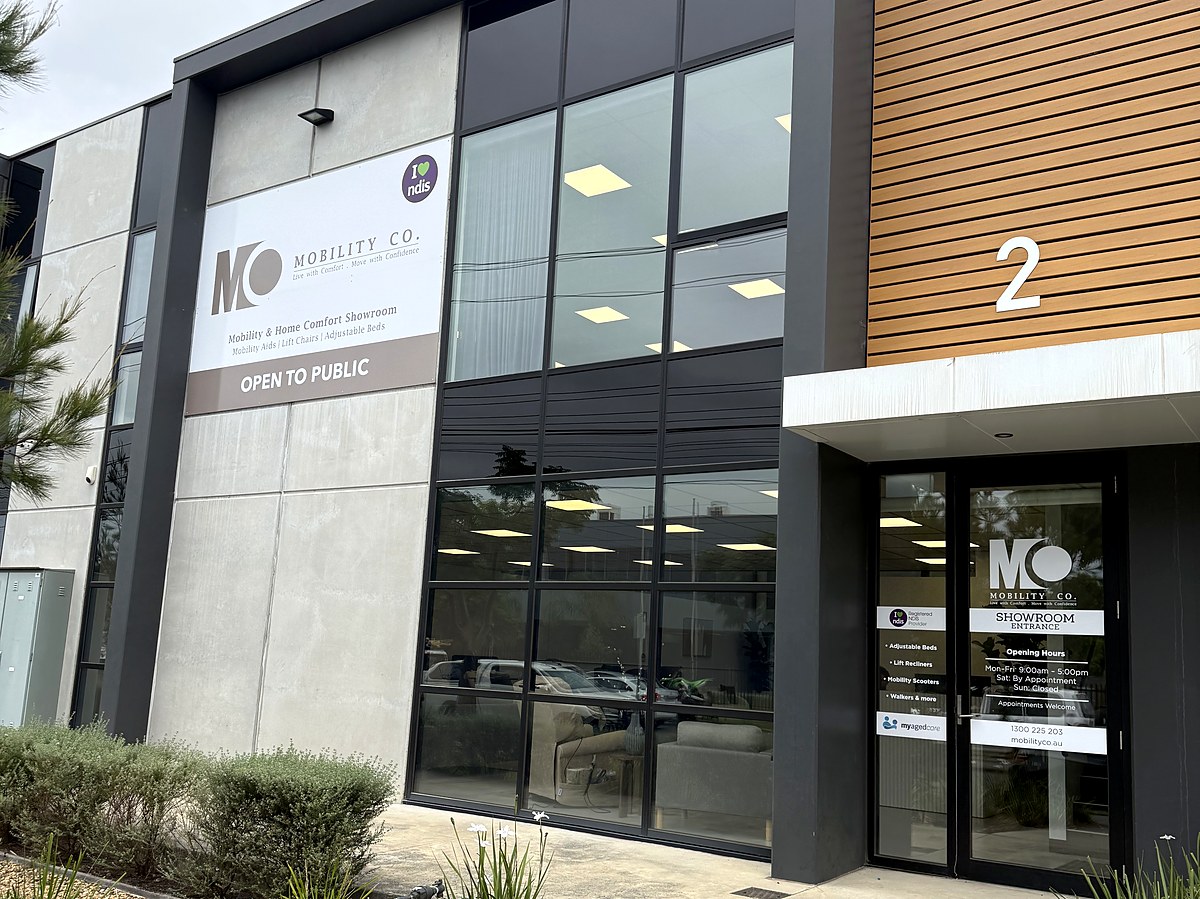
Cheltenham showroom · 1300 225 203 · Free in-home demonstrations across bayside Melbourne
This guide is general information to help families think things through, and is not a substitute for advice from your GP or occupational therapist about an individual person or home.
Related reading: How to reduce falls at home.

Daylan Kempster is an assistive technology specialist and the director of Mobility Co, a family owned mobility equipment showroom in Cheltenham, Melbourne. He has close to ten years of experience in the assistive technology and healthcare sector, gained across several companies, working with older Australians managing the changes of ageing, younger people living with disability, and people who need the right equipment for a short time while they recover from surgery. He writes these guides from hands on experience helping families choose beds, chairs, scooters and walkers that suit a real home. Connect with Daylan on LinkedIn.
Our most popular categories, all available to see and try at our Cheltenham showroom in Melbourne.